


Last updated: April 2026 | Data sources: FipeZAP, AirDNA, Numbeo · Rio: -- ☀️
The most comprehensive English-language resource for foreigners buying real estate in Rio de Janeiro. Covering 25 neighborhoods, actual price-per-square-meter data, rental yield calculations, visa pathways, the complete legal purchasing process, and honest investment analysis — all updated for April 2026.
Rio de Janeiro sits at a rare intersection of undervaluation, currency advantage, and structural demand growth that few global real estate markets can match in 2026. For foreign buyers — particularly those earning in US dollars, euros, or British pounds — the numbers tell a compelling story that goes well beyond the city's famous beaches and carnival atmosphere.
The most immediate factor is the exchange rate. With the US dollar trading at approximately 5.25 BRL, every dollar converts into substantial local purchasing power. A two-bedroom apartment in Botafogo that costs R$850,000 translates to roughly $162,000 — a price point that would barely secure a studio in most major US coastal cities. In Copacabana, beachfront properties that commanded $3,000 per square meter in 2014 now sit at around $1,500/m² for foreign buyers when adjusted for the current exchange rate. This is not a marginal discount; it represents a structural repricing that has made Rio one of the most affordable major beachfront cities in the world.
But affordability alone does not make an investment case. What makes Rio genuinely attractive is the combination of low entry prices with high rental yields and a recovering market trajectory. After a decade-long correction that followed the 2014 World Cup and 2016 Olympics construction boom, Rio's real estate prices bottomed out around 2020-2021 in real terms. Since then, nominal prices have been climbing steadily, though they remain 25-35% below their inflation-adjusted 2014 peaks in most neighborhoods. This recovery phase is precisely the window that experienced international property investors seek — entry prices that reflect past distress with upside driven by structural normalization.
The Brazilian Real has depreciated roughly 40% against the dollar since 2019. For foreign buyers, this means properties that cost $300,000 at the previous exchange rate can now be acquired for closer to $180,000 in real terms. Every percentage point of further depreciation compounds your purchasing power. Even if the Real strengthens modestly over the next five years, buyers who enter at current rates lock in a favorable cost basis that hedges against future currency normalization.
Rio's property market has been in recovery mode since 2021, with nominal price growth of 5-8% annually in desirable neighborhoods. But prices remain well below their 2014 inflation-adjusted peaks. Neighborhoods like Vidigal and Santa Teresa are seeing accelerated growth as infrastructure improvements and cultural cachet attract both domestic and international buyers. The gap between current prices and historical highs represents unrealized upside for patient investors.
Gross rental yields in Rio range from 5% on long-term leases in premium areas to over 18% gross on Airbnb-optimized properties in high-demand tourist zones. Compare this to London (2.5-3.5%), New York (3-4%), or Miami (4-6%). Even accounting for Brazil's higher management costs and taxation, net yields in Rio consistently outperform most Western real estate markets. The short-term rental market benefits from year-round demand driven by tourism, business travel, carnival, and a growing digital nomad population.
There are legitimate risks, of course. Brazilian bureaucracy is real and time-consuming. Property registration involves multiple government entities, and the due diligence process requires experienced local legal counsel. Currency volatility can work both ways — while it currently favors foreign buyers, a strengthening Real could erode returns when repatriating funds. Tax obligations are meaningful, with ITBI transfer tax, annual IPTU property tax, and capital gains tax all factoring into the total cost of ownership. We cover all of these costs and processes in detail in our complete buying guide.
Despite these considerations, the fundamental thesis holds: Rio de Janeiro offers foreign buyers a rare combination of world-class location, depressed pricing relative to historical norms and global comparables, strong rental income potential, and a clear legal framework that permits foreign ownership without restrictions. The question is not whether Rio represents value — the data makes that case clearly — but whether you are positioned to act on it before the recovery window closes.
Rio de Janeiro is divided into four administrative zones — South Zone (Zona Sul), West Zone (Zona Oeste), North Zone (Zona Norte), and Central Zone (Centro). For foreign property buyers, the South Zone commands the most attention and the highest prices, encompassing the iconic beachfront neighborhoods that define Rio's global image. The West Zone, anchored by Barra da Tijuca, offers modern infrastructure and larger properties at lower per-square-meter costs. The Central Zone includes both the historic downtown Centro district and the bohemian hilltop neighborhood of Santa Teresa, each attracting buyers with distinct profiles. Understanding which zone and neighborhood aligns with your investment goals, lifestyle preferences, and budget is the most important decision you will make.
South Zone
World-famous beach, metro access, dense nightlife
Full Ipanema Guide →South Zone
Most expensive. Extreme scarcity, walkable beach, top restaurants
Full Leblon Guide →South Zone
High Airbnb demand, tourist area, older stock
Full Copacabana Guide →South Zone
Trending, bay views, growing expat community
Full Botafogo Guide →South Zone
Best ROI. Fastest appreciation. Airbnb goldmine. Ocean views
Full Vidigal Guide →Central
Gentrifying, bohemian, strong Airbnb demand
Full Santa Teresa Guide →West Zone
Fastest growing. Modern condos, gated communities
Full Barra da Tijuca Guide →South Zone
Quiet lagoon views, family-friendly, Jardim Botânico proximity
Full Lagoa Guide →The eight neighborhoods featured above represent the core of Rio's foreign buyer market, but they serve dramatically different investment profiles. Understanding those differences is critical to making the right purchase decision.
At the premium end, Leblon and Ipanema occupy a tier of their own. These adjacent South Zone neighborhoods command the highest per-square-meter prices in the city, with averages ranging from R$R$18,000 to R$R$28,000/m² depending on the exact block and building. The premium is justified by a combination of factors that are difficult to replicate: direct beach access, walkability scores that rival the best European city centers, concentration of high-end dining and retail, and a deeply entrenched prestige status among both Brazilians and international buyers. For investors, these neighborhoods offer lower yields but superior capital preservation and liquidity — properties here rarely sit on the market for long, and they hold value through economic cycles better than any other part of the city.
The middle tier offers what many foreign buyers find to be the most compelling risk-reward balance. Botafogo has undergone a genuine transformation over the past five years, evolving from a somewhat overlooked residential area into one of Rio's most dynamic neighborhoods. The combination of Sugarloaf Mountain views, a thriving food and nightlife scene, excellent metro connectivity, and prices that sit 40-50% below Ipanema has made Botafogo the top choice for younger expats and digital nomads. Copacabana remains the highest-volume rental market in Rio — its sheer density of tourists and its iconic beachfront ensure consistent Airbnb demand, though saturation levels require careful unit selection to maintain high occupancy rates.
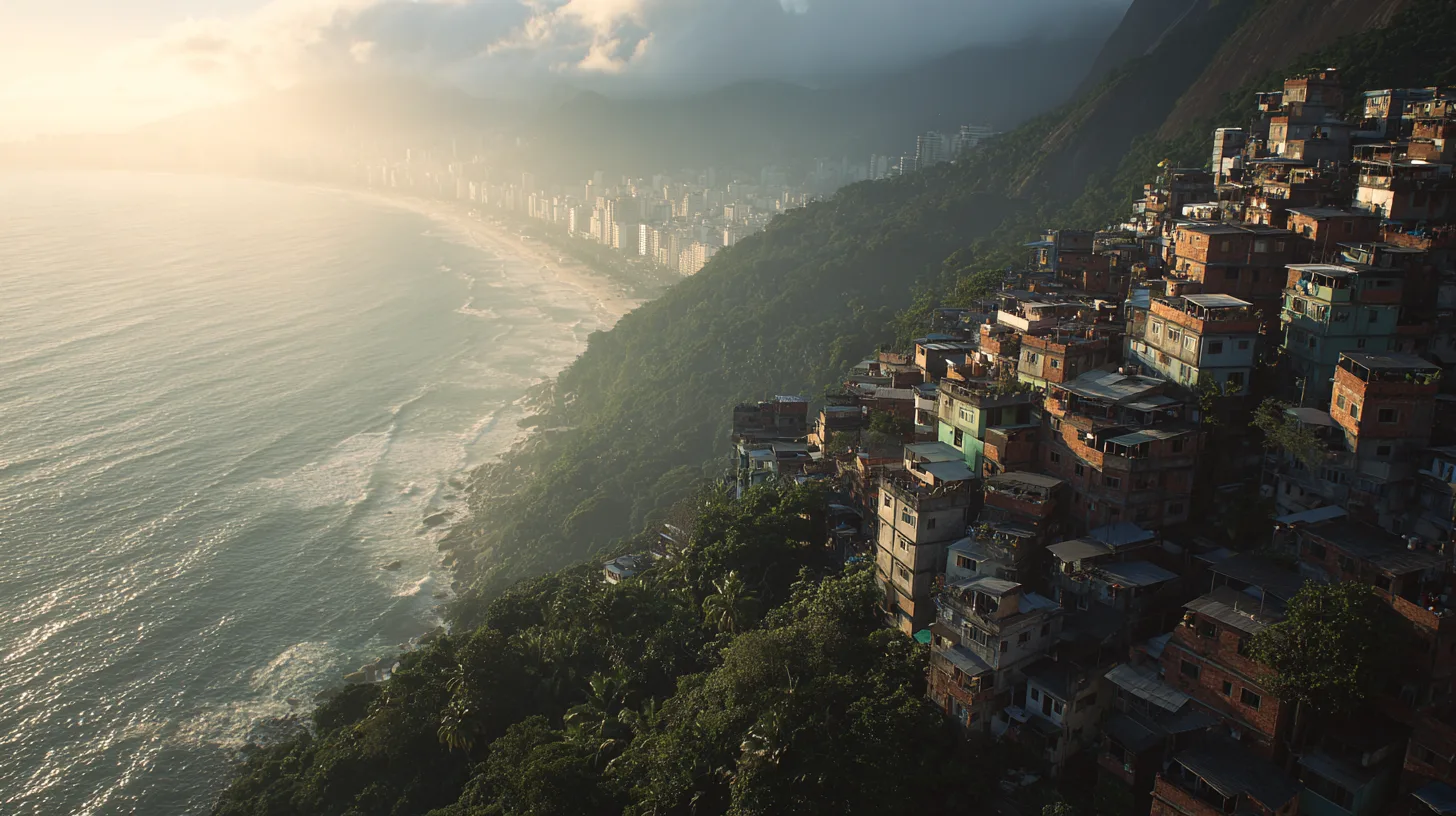
For yield-focused investors willing to accept higher risk and a less polished environment, Vidigal and Santa Teresa represent the frontier. Vidigal, a pacified favela perched between Leblon and the Atlantic, has become one of Rio's most talked-about neighborhoods among international visitors. Entry prices remain remarkably low — often under R$5,000/m² — while Airbnb nightly rates benefit from the novelty factor and stunning ocean views. Santa Teresa, Rio's hillside arts district, attracts a creative and bohemian crowd that sustains strong short-term rental demand. Both neighborhoods carry higher execution risk: infrastructure can be inconsistent, property title verification requires extra diligence, and resale liquidity is lower than in established South Zone areas.
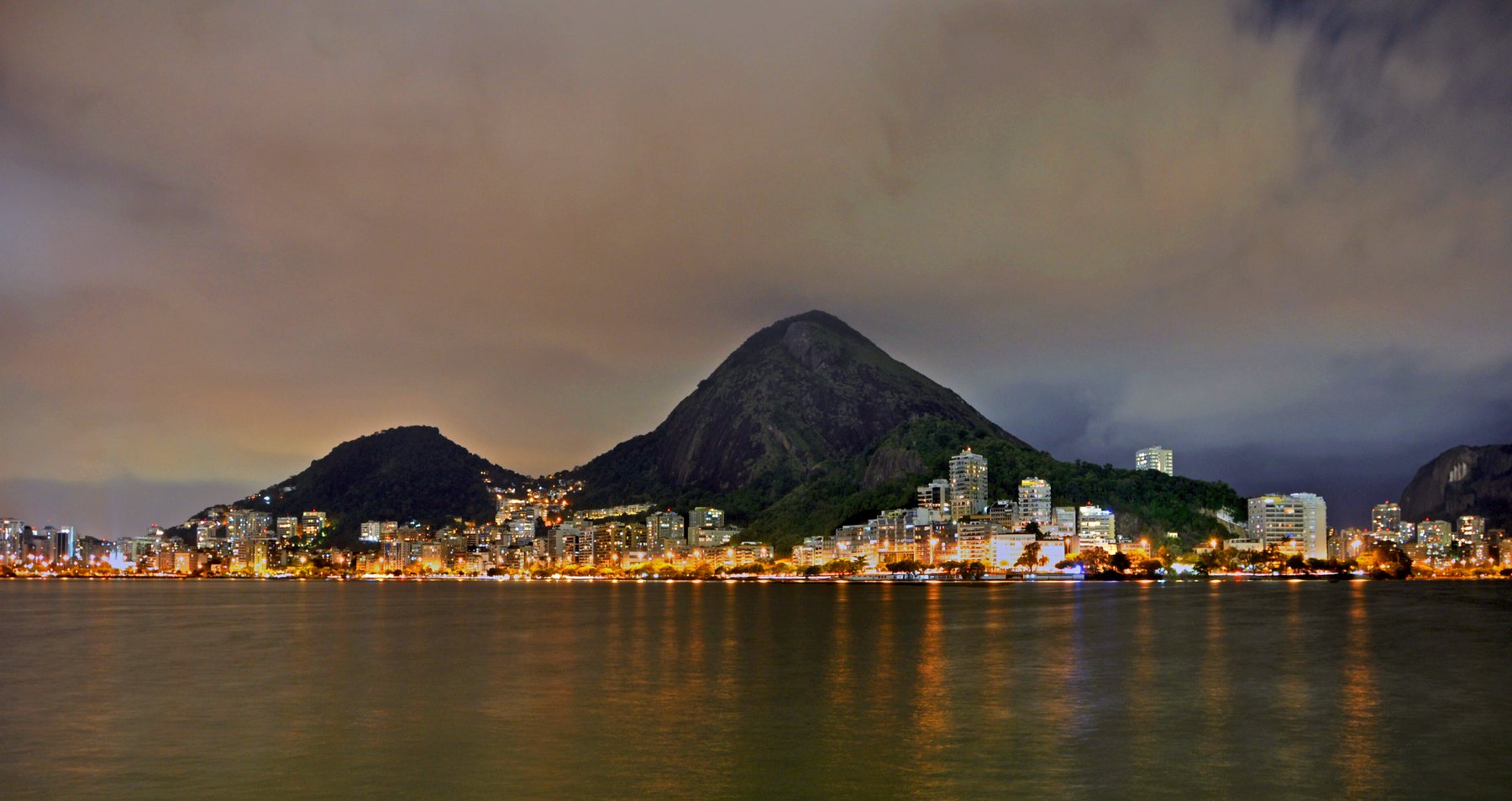
Lagoa rounds out the featured selection as the quiet luxury pick. Overlooking the Rodrigo de Freitas lagoon with the Christ the Redeemer statue as a backdrop, Lagoa offers a residential calm that is unusual for the South Zone. It is particularly popular with families and retirees seeking high-quality apartments in a peaceful setting without sacrificing proximity to the beach neighborhoods. Properties here tend to be larger and more modern than in Ipanema or Copacabana, with per-square-meter prices that represent solid value within the premium zone. Finally, Barra da Tijuca in the West Zone provides a completely different model — sprawling gated condominiums, shopping malls, and a more American-suburban lifestyle at prices that can be 50-60% below the South Zone for equivalent square footage.
We maintain individual in-depth guides for all 25 neighborhoods covered by BuyInRio. Each guide includes detailed price data, rental yield analysis, neighborhood scorecards, lifestyle assessments, and practical buying advice specific to that area.
The table below presents rental yield data for every neighborhood we track, comparing traditional long-term lease returns with Airbnb short-term rental performance. All figures are based on current asking rents, recent Airbnb booking data, and average property prices as of April 2026.
| Neighborhood | Gross LT Yield | Airbnb Gross Yield | Avg Nightly Rate | Occupancy | Saturation |
|---|---|---|---|---|---|
| Vidigal | 7.5% | 15–18% | R$280–450 | 65–75% | Low |
| Santa Teresa | 6.5% | 12–15% | R$250–420 | 60–70% | Medium |
| Centro | 7.0% | 10–13% | R$200–350 | 55–65% | Low |
| Tijuca | 6.8% | 8–11% | R$180–280 | 50–60% | Low |
| Copacabana | 5.8% | 10–14% | R$300–450 | 60–65% | High |
| Botafogo | 6.0% | 10–13% | R$280–420 | 58–68% | Medium |
| Flamengo | 5.8% | 9–12% | R$250–380 | 55–65% | Medium |
| Ipanema | 4.5% | 11–14% | R$500–900 | 60–70% | High |
| Leblon | 4.2% | 10–13% | R$600–1000 | 58–68% | High |
| Barra da Tijuca | 5.5% | 9–12% | R$300–500 | 50–60% | Medium |
| Lagoa | 4.8% | 9–12% | R$400–650 | 55–65% | Medium |
| Urca | 5.2% | 9–12% | R$280–450 | 55–65% | Low |
| Leme | 5.5% | 10–13% | R$280–420 | 58–68% | Medium |
| Humaitá | 5.8% | 9–12% | R$270–400 | 55–65% | Low |
| São Conrado | 5.2% | 9–12% | R$300–500 | 55–65% | Low |
Raw gross yields tell only part of the story. When evaluating neighborhoods for investment, foreign buyers need to weigh several factors simultaneously. Gross long-term yields in the 5-7% range are typical for South Zone properties leased on traditional 30-month contracts (the standard in Brazil). These contracts offer stability and lower management overhead, but they lock you into BRL-denominated income that may not keep pace with inflation. Airbnb gross yields, by contrast, can reach 12-18% in high-demand areas, but they come with higher operating costs: professional management fees (typically 20-25% of revenue), furnishing and maintenance, cleaning, platform commissions, and the risk of regulatory changes.
The saturation column is particularly important for short-term rental investors. Neighborhoods like Copacabana have a high volume of Airbnb listings, which means competition is fierce and pricing power is limited during off-peak months. In contrast, areas like Vidigal and Santa Teresa have lower saturation, which can support higher average nightly rates despite the smaller total market. Occupancy rates above 70% are generally considered strong for Rio, reflecting consistent demand across both tourist high season (December through March and July) and the shoulder months.
For dollar-denominated investors, the most relevant calculation is net yield converted to USD. A property purchased for $150,000 that generates R$2,500/month in net rental income (after all expenses) would produce roughly $5,700/year at current exchange rates — a net yield of approximately 3.8%. That may seem modest by the gross figures above, but it exceeds net yields in most comparable global beachfront markets, and it comes with the upside of capital appreciation in a recovering market. The key is to model conservatively, budget for all Brazilian tax obligations, and select a neighborhood whose demand drivers align with your rental strategy.
Brazil is one of the most open countries in the world for foreign property ownership. There are no restrictions on foreigners buying urban residential real estate — you get the same ownership rights as a Brazilian citizen. The process, however, involves a series of bureaucratic steps that must be completed in a specific order. Skipping or rushing any stage can result in delays, legal complications, or financial exposure. Here is the essential six-step framework that every foreign buyer must follow.
The CPF (Cadastro de Pessoas Fisicas) is Brazil's individual taxpayer identification number. You cannot buy property, open a bank account, or sign any official contract without one. Foreigners can obtain a CPF at a Brazilian consulate abroad or at a Receita Federal office in Brazil. The process typically takes 1-5 business days. This is your first and most critical step — begin this before you even arrive in Rio.
To transfer funds for your purchase, you need a Brazilian bank account linked to your CPF. International banks like Banco Itau and Bradesco have departments experienced with foreign clients. You will use this account to receive international wire transfers and make the property payment. The bank will require your CPF, passport, proof of address (from your home country, translated), and a visa or entry stamp. Some buyers also use exchange brokers for more competitive transfer rates than direct bank wires.
While you can legally buy property without a realtor in Brazil, it is strongly inadvisable for foreign buyers. A bilingual realtor familiar with the foreign buyer market will pre-filter properties, negotiate in Portuguese, and navigate the cultural nuances of Brazilian real estate transactions. Equally important is hiring an independent real estate lawyer (advogado imobiliario) who will handle due diligence, contract review, and legal compliance. The lawyer works for you, not the seller or the realtor — this distinction matters.
Your lawyer will obtain and review a comprehensive set of documents: the Certidao de Onus Reais (property encumbrance certificate), seller's tax clearance certificates, condominium debt status (certidao negativa de debitos condominiais), IPTU tax history, and verification that the property's registration matches its physical description. This stage typically takes 2-4 weeks and is the most important protection against fraud, hidden debts, or title disputes. Never skip or rush due diligence.
Once due diligence is clear, both parties sign the escritura publica de compra e venda (public deed of purchase and sale) at a Cartorio de Notas. The cartorio is a government-authorized notary office that gives the transaction official legal status. You will pay the ITBI transfer tax (typically 3% of the declared property value in Rio) before or at the time of signing. If you cannot be present, you can grant a procuracao (power of attorney) to your lawyer to sign on your behalf — a common arrangement for foreign buyers.
The final step is registering the signed escritura at the Cartorio de Registro de Imoveis (Real Property Registry Office). Only registration — not the signed deed alone — transfers legal ownership in Brazil. This step can take 15-30 business days and involves additional registry fees. Once registered, you receive a matricula atualizada (updated registration certificate) showing you as the legal owner. Keep this document and all transaction records permanently.
| Cost Item | Rate / Amount | Who Pays | When | Notes |
|---|---|---|---|---|
| — PURCHASE COSTS — | ||||
| ITBI (Transfer Tax) | 2% Rio / 3% most cities | Buyer | Before deed signing | Rio charges 2%. Cannot be financed. Paid by boleto bancário to municipality |
| Notary Fee (Escritura) | 0.5–1% of property value | Buyer | At deed signing | Covers preparation and authentication of the property deed at the cartório |
| Registry Fee (Registro) | 0.3–0.7% of value | Buyer | At deed registration | Records ownership transfer at Registro de Imóveis |
| Legal / Attorney Fees | 1–2% (optional but rec.) | Buyer | During process | Highly recommended for foreigners. Covers due diligence and contract review |
| Sworn Translation (if foreign) | R$200–500 per document | Buyer | During process | All foreign documents must be sworn-translated into Portuguese |
| Real Estate Agent Commission | 5–6% (paid by seller) | Seller | At closing | Buyer does not pay in Brazil. Seller pays the commission |
| TOTAL CLOSING COSTS (buyer) | 5–7% typical | Buyer | At closing | Budget 5–7% above purchase price. Can reach 8–10% with full legal support |
| — ANNUAL OWNERSHIP COSTS — | ||||
| IPTU (Annual Property Tax) | 0.3–1.5% of assessed value | Owner | Annual (Jan–Feb) | Assessed value (valor venal) is usually 30–50% below market value in Rio |
| Condominium Fees | R$500–3,000+/month | Owner | Monthly | Varies enormously. Zona Sul luxury buildings can be R$2,000–3,000+/month |
| Property Management | 10–15% of rental income | Owner | Monthly (if renting) | If using a property manager for long-term or short-term rental |
| — SELLING COSTS — | ||||
| Capital Gains Tax | 15–22.5% progressive | Seller | Within 30 days of sale | 15% up to R$5M gain; 17.5% up to R$10M; 20% up to R$30M; 22.5% above R$30M |
| Non-Resident Withholding | 25% flat rate | Seller | At closing | If seller is a non-resident at time of sale, buyer withholds 25% and remits to Receita Federal |
| Agent Commission (seller pays) | 5–6% of sale price | Seller | At closing | |
| — RENTAL INCOME TAXES — | ||||
| Long-Term Rental — Non-Resident | 15% flat withholding | Owner | Monthly | Applied to gross rental income. Tenant withholds and remits to Receita Federal |
| Short-Term / Airbnb — Non-Res. | 15% flat withholding | Owner | Monthly | Same 15% rate. Platform may assist with withholding |
| Rental Income — Brazilian Res. | 0–27.5% progressive | Owner | Annual declaration | Up to R$2,259/month exempt; progressive rates above. Residents file annually |
Total transaction costs for the buyer typically amount to 5-8% of the property value, depending on the price bracket and whether financing is involved. For a detailed breakdown with worked examples at different price points, see our complete buying guide.
Buying property in Brazil does not automatically grant you a visa or residency — but it can be a key component of several visa applications. Brazil offers multiple pathways for foreign nationals to obtain temporary or permanent residency, and property ownership strengthens your case under several categories. The three most relevant visa types for property buyers are outlined below. Each has different financial thresholds, processing timelines, and residency conditions.
VIPER / VITEM IX
Residency: Temporary → Permanent
Path to Citizenship: 4 years residency
Family: Yes — spouse + dependents
Must register investment with Central Bank. Can aggregate multiple properties. Must maintain investment. Rio = premium market (BRL 1M threshold)
VIPER / VITEM IX
Residency: Permanent immediately
Path to Citizenship: 4 years residency
Family: Yes — spouse + dependents
Requires business plan approved by CNIg. No specific industry required
VIPER / VITEM IX
Residency: Permanent immediately
Path to Citizenship: 4 years residency
Family: Yes — spouse + dependents
Must invest in innovation, science, or technology company. Fastest and lowest-cost pathway
The investor visa (VIPER) is the most direct path from property purchase to residency. By investing at least R$500,000 in Brazilian real estate, you qualify for a temporary residency visa that can be converted to permanent residency after four years. This threshold is easily met with a quality apartment in most South Zone neighborhoods. The digital nomad visa, introduced in 2022, does not require a property purchase but owning an apartment in Rio strengthens the application and eliminates the need for rental proof. Retirement visa applicants benefit from property ownership as evidence of financial stability and commitment to residing in Brazil.
For a comprehensive comparison of all visa categories, eligibility requirements, document checklists, and practical application advice, see our dedicated visa and residency guide.
One of the most powerful advantages of owning property in Rio de Janeiro is the dramatically lower cost of living compared to other major global cities. Foreign buyers who relocate — whether full-time, seasonally, or as digital nomads — consistently find that their money stretches two to four times further in Rio than in New York, London, or Miami. The table below compares key monthly expenses across five cities, with all figures converted to USD at current exchange rates.
| Category | Rio de Janeiro | New York | London | Miami | São Paulo |
|---|---|---|---|---|---|
| 1BR Apartment Rent — City Center | $500-1600 | $3,500–7,500 | $3,000–5,500 | $2,500–4,500 | $500–1500 |
| 1BR Apartment Rent — Outside Center | $250–600 | $2,500–4,500 | $1,800–2,500 | $1,500–2,200 | $300–500 |
| Monthly Groceries (1 person) | $400-700 | $900-1500 | $800-1400 | $800-1300 | $400-700 |
| Restaurant Meal (mid-range) | $7–15 | $30–60 | $20–45 | $20–45 | $8–16 |
| Coffee | $1–2 | $5–8 | $4–7 | $4–7 | $1–2 |
| Monthly Transport (public) | $30–50 | $130–150 | $150–180 | $110–130 | $25–45 |
| Utilities (electricity, water, gas) | $70-120 | $150–250 | $150–250 | $150–200 | $75-125 |
| Internet (monthly) | $18-35 | $60–80 | $40–60 | $50–80 | $16–35 |
| Gym Membership | $25–60 | $50–120 | $40–100 | $40–100 | $20–50 |
| Beer at Bar | $2–4 | $8–14 | $7–12 | $6–10 | $2–4 |
| Health Insurance (basic expat) | $100–200 | $300–600 | $200–400 | $300–500 | $80–180 |
| TOTAL BUDGET (comfortable single) | $1,200–2,000 | $5,000–8,000 | $4,000–7,000 | $3,500–6,000 | $1,000–1,800 |
| TOTAL BUDGET (luxury) | $3,000–6,000 | $10,000–20,000 | $8,000–15,000 | $8,000–15,000 | $2,500–5,000 |
| Cost vs Rio (cheaper = negative) | — | +234% | +180% | +170% | -10% |
The savings are most pronounced in dining, domestic services, and healthcare. A meal at a quality restaurant in Botafogo or Ipanema typically costs $15-25 per person — comparable to fast-casual dining in Manhattan. Private health insurance runs $100-200/month for comprehensive coverage, a fraction of US premiums. Domestic help, including house cleaners and building staff, is affordable and widely available. Where Rio closes the gap with Western cities is in imported goods, electronics, and automobiles, all of which carry heavy Brazilian import duties.
The chart below tracks average residential property prices in Rio de Janeiro from 2015 through early 2026, showing both BRL and USD-equivalent values alongside annual changes adjusted for inflation. This data, sourced from FipeZAP's monthly index, reveals the full arc of Rio's market cycle — from the post-Olympic correction through the pandemic disruption and into the current recovery phase.
Several patterns emerge from the data. First, the nominal BRL price correction between 2015 and 2020 was significant — approximately 15-20% in most neighborhoods — but the real (inflation-adjusted) decline was even steeper, approaching 30-40% when accounting for Brazil's elevated inflation during this period. This means that buyers entering the market today are acquiring property at prices that, in real purchasing power terms, represent a substantial discount to the 2014 peak.
Second, the divergence between BRL and USD pricing tells the story of currency impact. While BRL-denominated prices have been recovering since 2021, USD-equivalent prices have remained relatively flat or even declined further due to Real depreciation. For dollar-based buyers, this creates a compounding advantage: you benefit from both the local market recovery and the currency discount. If the Real strengthens from its current 5.25 per dollar toward its long-term average closer to 4.0-4.5, foreign investors would see their asset values appreciate in dollar terms even if local BRL prices remained flat.
Third, the annual real change column highlights that 2024 and 2025 have been the first years of sustained positive real price growth since 2013. This is a meaningful inflection point. Markets that have spent a decade correcting and have only recently turned positive tend to have extended recovery runways ahead of them. No one can predict future prices with certainty, but the structural case for continued appreciation — driven by constrained supply in desirable South Zone neighborhoods, growing international demand, and Brazil's broader economic stabilization — is the strongest it has been in a decade.
Rio de Janeiro state offers some of Brazil's most spectacular coastal real estate beyond the city limits. Within a 2-4 hour drive from Rio, five destinations have emerged as compelling alternatives — or complements — to a city property purchase. These locations combine lower entry prices with strong seasonal rental demand, particularly from wealthy Cariocas (Rio residents) and international tourists seeking beach escapes. Properties here serve well as vacation homes with rental income potential, especially during the December-March summer season and the July winter holiday period.
Airbnb Potential: High
International destination. Strong Airbnb. 27 beaches. Peak Jan–Mar. Growing luxury market
Full Búzios Guide →Airbnb Potential: High
Ultra-luxury islands. Highest land prices outside Zona Sul. Boat access adds premium
Full Angra dos Reis Guide →Airbnb Potential: High
UNESCO heritage town. Eco-tourism. Growing international interest. Very limited supply
Full Paraty Guide →Airbnb Potential: Very High
No cars allowed. Pure nature. Highest Airbnb yield of group. Limited land supply
Full Ilha Grande Guide →Airbnb Potential: Medium
Popular domestic tourism. Kite surfing. More affordable than Búzios
Full Cabo Frio Guide →The Rio de Janeiro coastal corridor is increasingly recognized as one of South America's premier leisure property markets. Each of the five locations above has a distinct character and buyer profile. For detailed price data, rental yield analysis, and practical buying guidance for each destination, follow the links above to our individual location guides.
Whether you are a seasoned international property investor evaluating Rio's recovery-phase pricing, a digital nomad looking for an affordable base in one of the world's most vibrant cities, or a retiree drawn to Brazil's warm climate and low cost of living — the data, guides, and neighborhood analysis on BuyInRio are designed to help you make an informed decision. We cover 25 neighborhoods with real price data, rental yield comparisons, neighborhood scorecards, the complete legal buying process, visa pathways, transaction costs, and honest assessments of both the opportunities and the risks.
Start by exploring the neighborhoods that match your budget and investment goals, or read our step-by-step buying guide to understand exactly what is involved in purchasing property as a foreigner in Brazil. Every page on this site is built on verified data from FipeZAP, AirDNA, and Numbeo, updated regularly to reflect current market conditions. Rio's window of value will not stay open indefinitely — the recovery is underway, and the time to understand this market is now.