Central · Rio de Janeiro
Data last updated: April 2026 · Sources: FipeZAP, AirDNA, Numbeo
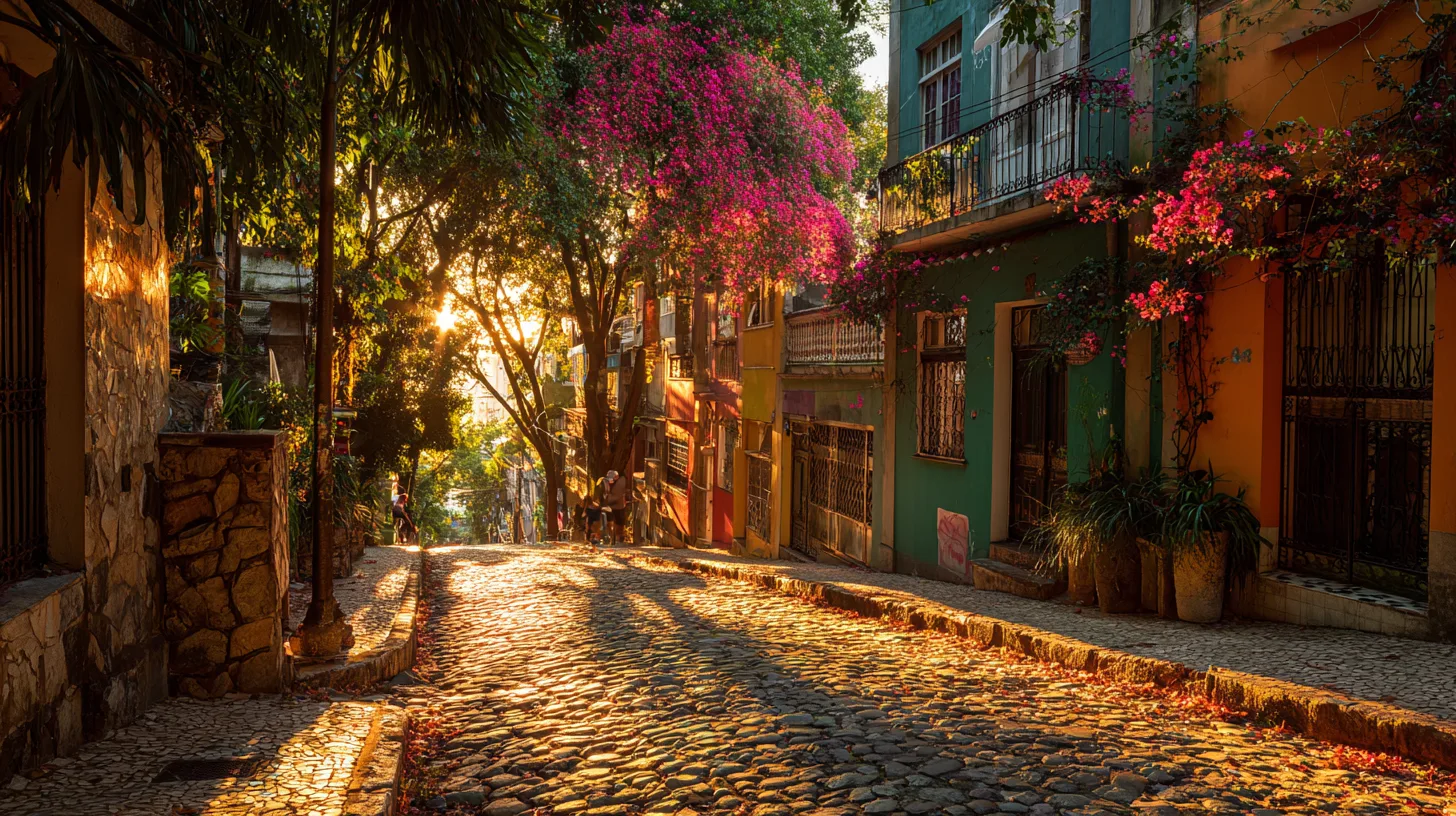
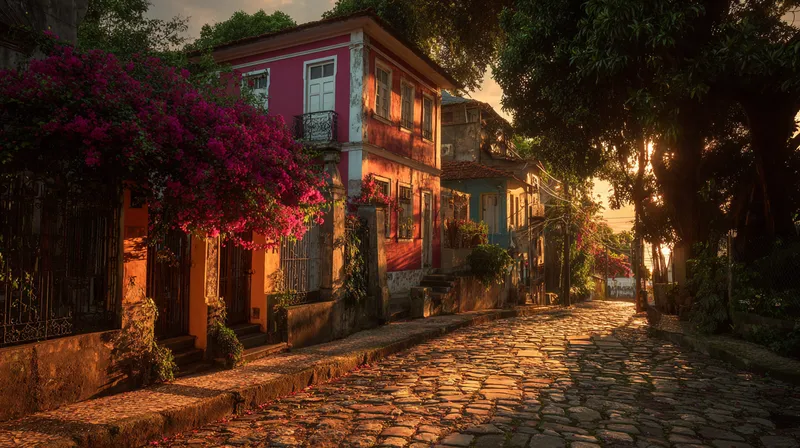
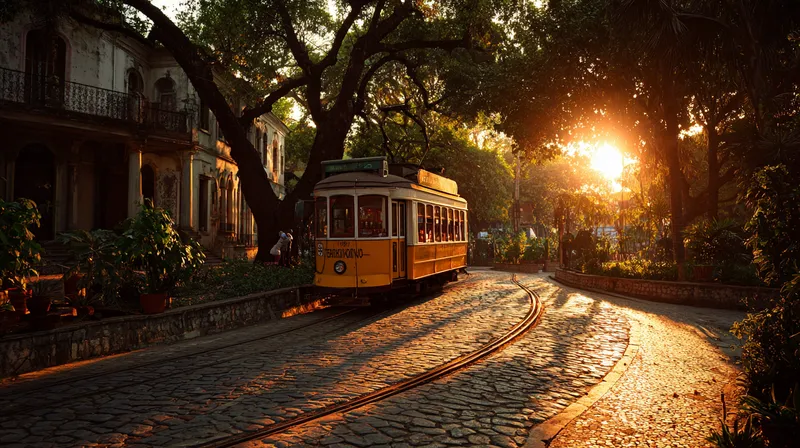
Positioned in Rio de Janeiro's historic center, Santa Teresa occupies the oldest and most architecturally layered part of the city. Central Rio is experiencing an urban renaissance, as decades of commercial-only focus give way to a vibrant mixed-use neighborhood attracting artists, entrepreneurs, and forward-thinking property investors. Colonial facades sit alongside Art Deco towers and modern glass buildings, creating a streetscape unlike anywhere else in the city.
The geography of Santa Teresa is defined by proximity to everything. Government buildings, financial institutions, major cultural venues, and transport hubs all converge here. For property buyers, this centrality translates into strong rental demand from professionals who want to walk to work, and from tourists drawn to the cultural attractions that dot every block.
The social scene in Santa Teresa strikes a comfortable balance between liveliness and livability. You will find a good selection of restaurants, casual bars, and neighborhood cafes without the noise and congestion of Rio's party districts. This balance is precisely what many foreign buyers seek: enough activity to feel connected, enough calm to sleep well.
Santa Teresa has caught the attention of value-oriented foreign buyers who recognize its emerging potential. At R$7,000/m², properties here cost a fraction of what equivalent quality commands in the South Zone's flagship neighborhoods. This pricing gap, combined with 6.5% growth trends, creates an investment thesis that appeals to buyers willing to look beyond the obvious choices.
On safety, Santa Teresa scores 7/10, placing it in the moderate-to-good range for Rio de Janeiro. As with any major Brazilian city, standard urban awareness applies: avoid displaying expensive jewelry, stay on well-lit main streets at night, and use ride-hailing apps for late-night transport. Most foreign residents report feeling comfortable here after an initial adjustment period.
Gentrifying, bohemian, strong Airbnb demand
Neighboring areas worth exploring include Centro, Glória, Cosme Velho. Each offers a distinct character and price profile, and understanding the differences helps buyers make informed decisions about exactly where in Rio their investment belongs.
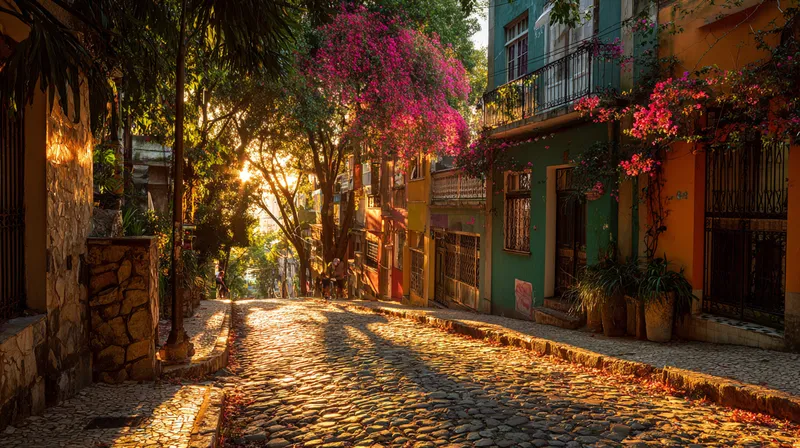
Our composite rating across 8 dimensions, based on data from FipeZAP, AirDNA, and on-the-ground research.
With an overall score of 6.75/10, Santa Teresa represents a solid mid-tier option in Rio's property market. The scores reveal both genuine strengths and areas where buyers should calibrate expectations.
The investment ROI score of 8/10 stands out, suggesting that Santa Teresa offers above-average returns relative to entry costs. Buyers focused on yield rather than lifestyle may find this metric the most compelling.
Compared to neighboring Centro (6.5/10) and Glória (6.5/10), Santa Teresa's profile is closely matched, meaning the choice between them comes down to personal preference and specific unit availability.
With an average of R$7,000/m², Santa Teresa comes in well below Rio's citywide average of ~R$11,200/m². This discount represents an opportunity for buyers who believe in the neighborhood's trajectory. Historically, Rio neighborhoods that gentrify can see prices double or triple within a decade, and Santa Teresa shows several indicators of this trend.
The spread between the low (R$5,000/m²) and high (R$9,000/m²) reflects the diversity within Santa Teresa. Street-level apartments, units needing renovation, and buildings without amenities cluster near the bottom, while top-floor renovated units with views command premiums.
A critical note for foreign buyers: listed asking prices in Rio typically close 5-7% below asking. The prices shown here reflect asking averages from FipeZAP, so actual transaction values are slightly lower. Budget accordingly, and always negotiate, as Brazilian real estate culture expects it.
Price data sourced from FipeZAP Index, April 2026. Actual transaction prices vary. Past performance does not indicate future results.
Key Investment Insight
Airbnb yields (12–15%) significantly outperform long-term rentals (6.5%) in Santa Teresa, though this comes with higher management costs and occupancy risk. At 60–70% occupancy and Medium saturation, the short-term rental market here still has room for well-positioned listings. The moderate saturation level suggests opportunity without oversupply.
The yield spread between long-term (4.8% net) and Airbnb (8–11% net) rentals in Santa Teresa reflects the broader Rio pattern where short-term rentals outperform traditional leases, but require active management. Foreign investors should factor in property management fees of 15-25% for Airbnb operations, condominium rules that may restrict short-term lets, and seasonal occupancy variation that peaks during Carnival and New Year.
Gentrifying, bohemian appeal, growing international tourist interest
For a deeper comparison of investment returns across Rio's neighborhoods, explore our data on Vidigal, Copacabana, and Botafogo, which represent distinct investment profiles from value-play to blue-chip.
Yield data sourced from AirDNA and local market research, April 2026. Actual returns depend on property condition, management, and market conditions. Not financial advice.
What daily life actually looks like for foreign residents, based on on-the-ground research and expat interviews.
Daily life in Santa Teresa is shaped by the energy of Rio's historic core. The area buzzes during business hours with office workers, government employees, and students, then transitions into a cultural hub as theaters, galleries, and restaurants come alive in the evening. Weekend street markets and cultural festivals regularly animate the plazas. The walkability here is unmatched: virtually everything is within a 15-minute walk, from banking to dining to entertainment.
The food scene in Santa Teresa is authentic and affordable. Local por-kilo restaurants serve generous plates for R$15-30, and street food carts offer everything from tapioca crepes to grilled meats for R$7-15. International options may be more limited than in the South Zone, but what the neighborhood lacks in variety it makes up for in value and authenticity. Fresh fruit from street vendors costs a fraction of supermarket prices, and local bakeries produce excellent bread daily.
Transport is an honest weakness, scoring 5/10. Santa Teresa is less well-served by metro and major bus lines than central neighborhoods. Foreign residents here typically rely on ride-hailing apps (budget R$800-1,500/month) or own a vehicle. The trade-off is that lower transport connectivity contributes to the neighborhood's quieter character and more affordable property prices.
Safety in Santa Teresa (7/10) is manageable with standard precautions. Stick to well-lit, populated streets after dark. Use ride-hailing apps instead of hailing taxis on the street at night. Avoid carrying large amounts of cash. The neighborhood has its safer and less-safe pockets, so ask local residents or your building porteiro for specific guidance on which blocks to avoid late at night.
Santa Teresa has an established international community. English is widely spoken in shops, restaurants, and services. Expat meetup groups, language exchange events, and international social clubs are all active here. Finding an English-speaking real estate lawyer, accountant, or doctor is straightforward. This infrastructure significantly eases the transition for foreign buyers who are still learning Portuguese.
How Santa Teresa stacks up against the closest alternative neighborhoods.
| Neighborhood | Avg Price/m² | Overall Score | Key Advantage | Key Limitation |
|---|---|---|---|---|
| Santa Teresa | R$7,000 | 6.75/10 | Strong ROI | No beach |
| Centro | R$6,000 | 6.5/10 | Strong ROI | Safety concerns |
| Glória | R$7,500 | 6.5/10 | Affordability | No major weakness |
| Cosme Velho | R$8,000 | 5.875/10 | Top safety | No beach |
| Catete | R$8,000 | 6.625/10 | Affordability | No beach |
Choosing between Santa Teresa and its neighbors comes down to priorities. Compared to Centro (R$6,000/m²), Santa Teresa commands a premium of approximately R$1,000/m², which reflects its specific location advantages and market positioning.
Glória presents a pricier option at R$7,500/m², attracting buyers who prioritize Glória's specific strengths. The right choice depends entirely on whether you prioritize beach access, nightlife, transport links, or long-term appreciation potential. We recommend visiting all shortlisted neighborhoods in person before committing.
Comparison data from FipeZAP Index, April 2026. Scores reflect BuyInRio editorial assessment. Individual property values vary.
The essential steps to purchasing property in Santa Teresa. See our complete buying guide for full details.
Estimated Transaction Costs (80m² apartment)
Property value: ~R$560,000
ITBI tax (3%): ~R$16,800
Registry & notary: ~R$3,500
Legal fees: ~R$8,000
Total: ~R$28,300
Approximately 4-5% of property value
Estimates based on average Santa Teresa prices. Actual costs vary by property value, financing, and legal complexity. See our complete buying guide for detailed breakdown.
Answers to the most common questions from foreign buyers considering Santa Teresa.
Santa Teresa scores 7/10 on our safety index. This is a moderate safety score by Rio standards. Most foreign residents feel comfortable during daylight hours and on main streets in the evening. Stick to well-lit commercial corridors after dark, use Uber or 99 rather than walking alone at night, and avoid displaying expensive watches, phones, or jewelry. Ask your building's porteiro for specific advice on which blocks to avoid. With reasonable awareness, foreign buyers live here comfortably.
The average price per square meter in Santa Teresa is R$7,000, approximately $1,333 USD at current exchange rates. Prices range from R$5,000/m² for older or unrenovated units to R$9,000/m² for premium properties. In practical terms, a 50m² one-bedroom apartment averages around R$350,000 ($66,650 USD), while a spacious 100m² two-bedroom runs approximately R$700,000 ($133,300 USD). These are asking prices from FipeZAP; expect to negotiate 5-7% below asking on most transactions. Growth has been 6.5%, reflecting the neighborhood's current market trajectory.
Yes, short-term rentals operate actively in Santa Teresa. Current data shows Airbnb gross yields averaging 12–15% with net yields of 8–11% after expenses. The average nightly rate is R$250–420 with occupancy at 60–70%. Market saturation is Medium, meaning there is moderate competition and well-managed properties perform well. Important: check your building's condominium regulations (convenção), as some restrict short-term rentals. Brazilian law generally permits them, but individual buildings can impose limitations through resident votes.
Rio has two airports. Santos Dumont (SDU) handles domestic flights and is located downtown. Santa Teresa's central location is an advantage for airport access. Santos Dumont domestic airport is just 10-20 minutes away, often walkable or a quick metro ride. GIG International is 25-40 minutes via the dedicated airport expressway. Uber costs approximately R$15-30 to SDU and R$50-90 to GIG. This proximity to both airports is a genuine selling point for frequent travelers.
Santa Teresa scores 6/10 for family suitability. The neighborhood is workable for families, though it may require more planning than Rio's top family-oriented areas. Schooling options exist but may require commuting to adjacent neighborhoods for international schools. Parks and recreational facilities are available, and the safety level is adequate for families who exercise standard precautions. Families with younger children may find the lifestyle comfortable, while those with teenagers might want proximity to more activity and social options.
Santa Teresa has experienced 6.5% price growth in the current measurement period. Gentrifying, bohemian, strong Airbnb demand Emerging neighborhoods can show volatile price swings. The current R$7,000/m² average offers significant upside potential if the area continues developing, but buyers should be prepared for periods of flat or declining values. Diversifying your Rio portfolio across price tiers helps manage this risk.
Santa Teresa scores 5/10 for public transport access. A car is strongly recommended, or budget significantly for ride-hailing. Public transport coverage in Santa Teresa is limited, with fewer metro stations and less frequent bus service than central neighborhoods. Uber and 99 are available but wait times can be longer. If you plan to rely on ride-hailing, budget R$1,500-2,500/month. The upside: parking is generally easier and cheaper here than in the South Zone, and owning a car opens up Rio's spectacular beaches and mountain areas for weekend exploration. See our Brazilian driver's license guide for details on converting your foreign license.
Santa Teresa scores 9/10 for expat appeal, which directly correlates with English-language service availability. English-speaking services are readily available. You will find bilingual real estate agents, English-speaking lawyers specializing in foreign property transactions, accountants familiar with international tax obligations, and medical professionals who communicate in English. Many restaurants have English menus, and staff at upscale establishments generally speak basic to fluent English. Expat social groups host regular events, making it easy to build a support network while you improve your Portuguese. This infrastructure makes Santa Teresa one of the easiest neighborhoods in Rio for English-speaking foreign buyers.
Whether you are investing remotely or planning a scouting trip, the next step is understanding the full buying process and connecting with trusted local professionals.